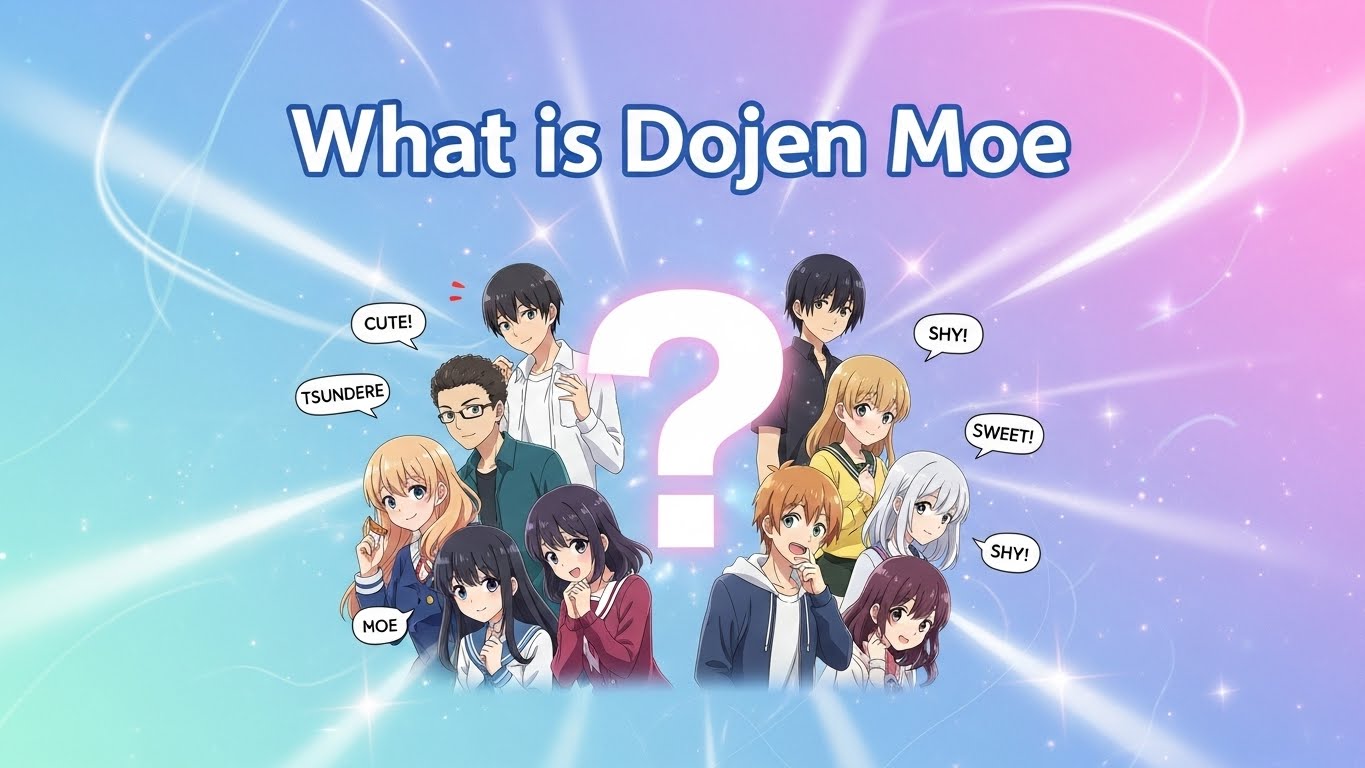

At its core, Dojen Moe is a creative movement blending two ideas: the fan-driven, self-published spirit of “doujin/doujen” works, and the emotional, affectionate aesthetic known as “moe,” common in anime and manga fandom.
Rather than being a rigid style or fixed genre, Dojen Moe represents a mindset — one that prioritizes emotional resonance, sincerity, and artistic intimacy over polished perfection.
In practice, this means creators (often independent fans or small-circles) produce illustrations, stories, short comics, or digital art with soft visuals and emotional undertones, aiming to evoke warmth, vulnerability, nostalgia or heartfelt connection.
Origins and Evolution
The roots of Dojen Moe draw from:
- Doujin culture — the tradition of self-published or fan-made manga, artbooks, comics or stories created outside mainstream studios. This background gives Dojen Moe its foundation in grassroots, indie creativity.
- Moe aesthetic — a Japanese pop-culture concept that evokes protective affection toward fictional characters who are innocent, endearing or emotionally evocative.
As digital platforms, social media, and global fan-communities expanded, this blend found fertile ground, evolving into a recognizable (though loosely defined) subculture. What likely began as fan experiments in the 2000s has recently gained more visibility worldwide, as independent artists borrow from both traditions to express personal emotion and aesthetic creativity.
Because of its flexible roots and lack of formal definition, “Dojen Moe” can mean slightly different things depending on the community or creator — from soft, emotionally driven fan art, to original emotionally rich storytelling.
What Defines a “Dojen Moe” Work
While variety is the strength of Dojen Moe, there are common traits many works share:
- Emotional resonance and intimacy: Rather than dramatic plots or flashy visuals, Dojen Moe often focuses on small emotional moments — longing, introspection, friendship, nostalgia, or inner growth.
- Soft, expressive visuals and aesthetic subtlety: Gentle color palettes (pastels, muted tones), minimalistic or soft-focus backgrounds, expressive yet simple character designs — all designed to evoke mood and feeling over slickness or realism.
- Creative freedom and hybrid origin: Works can be reinterpretations of existing anime/manga/game characters (fan art), or entirely original creations. The “doujin” tradition allows flexibility beyond mainstream constraints.
- Community and collaboration: Many Dojen Moe creators share on social media or fan-art platforms, participate in collective zines, art challenges, or collaborative storytelling — sustaining a community rather than a hierarchical commercial structure.
- Digital-first expression: Because its growth is tied to online platforms, Dojen Moe thrives in digital illustration, web comics, social-media art shares, and sometimes mixed media or experimental formats.
Why It Resonates: Cultural & Emotional Appeal
In a world saturated with polished, mass-produced content, Dojen Moe offers something different: authenticity, emotional warmth, and vulnerability. Many creators and fans are drawn to it because:
- It’s more personal and intimate than mainstream production — like homemade artwork versus mass-market media. This raw sincerity often strikes a deeper chord.
- It allows for creative freedom: artists without formal training, or who don’t fit mainstream commercial aesthetic norms, can still create meaningful work.
- It fosters community: Dojen Moe thrives in small, passionate circles rather than large-scale studios. Fans and creators connect, support one another, and build shared spaces of emotional expression.
- It reflects digital generation sensibilities: In an era of social media, identity remixing, and global fandoms, Dojen Moe becomes a kind of universal language — emotional visuals and stories that resonate beyond cultural or linguistic boundaries.
Criticisms, Limitations & Challenges
No creative movement is without its debates. Dojen Moe faces some criticisms and potential pitfalls:
- Because it borrows “moe” aesthetic from anime fandom, there’s sometimes worry about over-idealizing innocence or vulnerability, or promoting idealized beauty or emotional tropes that might feel unrealistic.
- As the style becomes more popular, there’s a risk of homogenization: once “soft pastel, dreamy, emotional” becomes the norm, originality might suffer.
- Copyright and ethical issues can arise when fan-made art draws heavily on existing characters or stories — especially if works are monetized or shared broadly.
- Sustainability is a challenge: many creators treat Dojen Moe as a passion project rather than a career. Without financial support, burnout or fade-out is possible over time.
Why Dojen Moe Matters — And What’s Next
Dojen Moe matters because it exemplifies how digital-era fandom and creativity can evolve beyond commercial molds. It shows how fans, independent creators, and small communities can express deep emotion, experiment artistically, and connect globally — without needing massive resources.
As digital tools and platforms continue to expand (illustration tablets, online galleries, social media, collaborative spaces), Dojen Moe may continue to grow as a global creative ecosystem. It offers a space for emotional authenticity, for underrepresented creators, and for art rooted in human connection rather than commercial demand.
For fans and creators alike, Dojen Moe is more than a trend — it’s a living, breathing movement.






Leave a Comment