


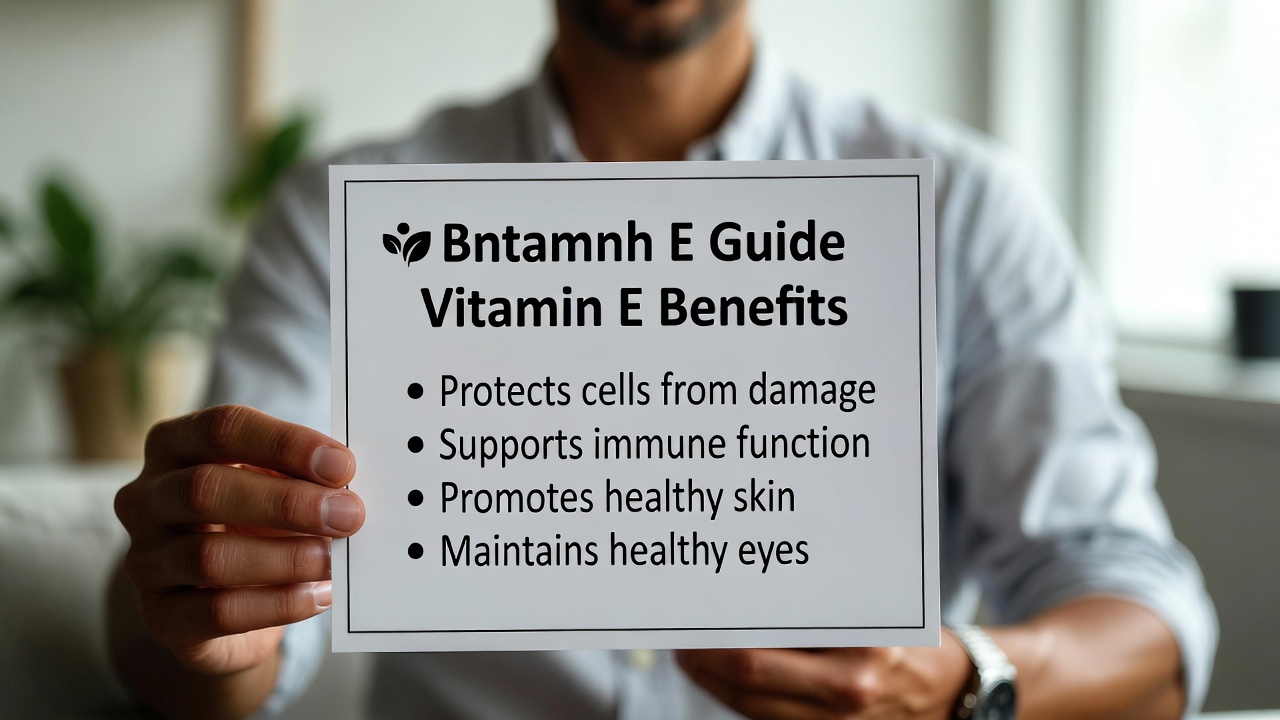

Hey everyone, if you’ve been scrolling through health forums, supplement shops, or wellness blogs lately, you might have come across the term bntamnh e popping up more often. At first glance, it looks a bit unusual, maybe even like a typo, but dig a little deeper and you’ll see it’s closely tied to one of the most talked-about nutrients out there—vitamin E. People use this phrasing in product names, articles, and searches, often to highlight its role as a powerful antioxidant that supports skin, heart health, immunity, and more.
In this in-depth post, we’ll break down everything you need to know about bntamnh e, from its real meaning and benefits to food sources, supplement options, and practical ways to add it to your routine. Whether you’re dealing with dry skin, looking to boost your defenses against daily stress, or just curious about better nutrition, stick around—this could be the missing piece in your wellness puzzle.
What Exactly Is Bntamnh E?
Let’s clear the air right away: bntamnh e is essentially another way people refer to vitamin E, the fat-soluble nutrient famous for fighting off cell damage caused by free radicals. You’ll see it spelled this way on some supplement labels, blog posts, or even in search results, probably as a creative twist, brand variation, or sometimes a slight misspelling that stuck around in online discussions.
Vitamin E isn’t just one single thing—it’s a family of eight related compounds split into tocopherols and tocotrienols. The star of the show is alpha-tocopherol, the form your body uses and stores the most. Back in the early 1900s, researchers first noticed this nutrient’s importance when they saw it was crucial for reproduction in animals (hence the name “tocopherol,” from Greek words meaning “to bear offspring”). Fast forward to today, and it’s sold everywhere as capsules, oils, skin creams, and mixed into multivitamins.
The reason bntamnh e shows up in modern content? It seems to be a trendy or branded way to talk about vitamin E supplements, especially in wellness circles where folks want to stand out in searches. But no matter how it’s labeled, the core benefits stay the same—protecting your cells, supporting your immune system, and helping keep things running smoothly inside and out.
Why Bntamnh E Matters: Key Health Benefits Backed by Science
One of the biggest reasons people reach for bntamnh e (or straight-up vitamin E) is its role as an antioxidant. Free radicals are unstable molecules produced during normal metabolism, exercise, pollution exposure, or even UV rays from the sun. They bounce around and damage cell membranes, proteins, and DNA over time, speeding up aging and raising risks for various issues.
Vitamin E steps in like a shield, neutralizing those free radicals before they cause harm. Studies show this protection can help in several areas:
- Skin Health and Anti-Aging: Applying vitamin E topically or taking it internally helps moisturize skin, reduce inflammation, and fade scars. Many people swear by it for healing minor cuts or soothing sunburns. Inside the body, it supports collagen production, keeping skin firm and youthful-looking longer.
- Immune Support: Your immune cells rely on vitamin E to function properly. It helps regulate inflammation responses and strengthens defenses, especially as we age when natural levels can drop.
- Heart and Blood Vessel Wellness: By preventing oxidation of LDL cholesterol (the “bad” kind), vitamin E may reduce plaque buildup in arteries. It also helps blood vessels relax and prevents unwanted clotting, promoting better circulation.
- Brain and Nerve Protection: Emerging research links adequate vitamin E intake to slower cognitive decline and protection against oxidative stress in the brain. Some folks use it to support focus and memory during stressful periods.
- Eye Health: It teams up with other antioxidants like vitamin C and zinc to protect the retina from age-related damage.
Of course, results vary—high-dose supplements don’t always deliver dramatic prevention for diseases like cancer or heart issues, according to large reviews. But getting enough through diet or moderate supplementation supports overall vitality without overdoing it.
Top Natural Food Sources Packed with Bntamnh E
The best way to get your daily dose is through real food—your body absorbs it better alongside fats, and you avoid potential overload from pills. Here are some standout sources:
- Wheat germ oil: One tablespoon packs way over the daily needs—great for drizzling on salads.
- Sunflower seeds: A handful gives you a solid chunk of alpha-tocopherol plus healthy fats and crunch.
- Almonds: About 23 nuts deliver roughly half your daily requirement, plus magnesium for extra energy.
- Spinach and other dark leafy greens: Cooked or raw, they provide vitamin E along with folate and iron.
- Avocado: Creamy and delicious, half an avocado offers a nice boost plus potassium.
- Sunflower or safflower oil: Perfect for cooking or dressings—choose cold-pressed for maximum nutrients.
- Trout, shrimp, and other fatty fish: They combine vitamin E with omega-3s for heart and brain perks.
Aim to mix these into meals regularly. A breakfast smoothie with spinach, avocado, and almonds, or a salad topped with sunflower seeds and olive oil dressing, can easily hit your targets without feeling like a chore.
Supplement Options: When and How to Choose Bntamnh E Products
If diet alone falls short—maybe due to low-fat eating, digestive issues, or higher needs from intense exercise—supplements make sense. Look for natural d-alpha-tocopherol over synthetic dl-alpha forms for better absorption. Mixed tocopherols or tocotrienols offer broader protection too.
Common forms include:
- Capsules or softgels: Easy to swallow, often 100–400 IU per dose.
- Liquid oils: Great for skin application or adding to food.
- Topical creams: Targeted for dry patches, scars, or anti-aging routines.
The recommended daily amount sits at 15 mg (about 22 IU) for most adults, bumping up slightly during pregnancy or breastfeeding. Stick to moderate doses unless a doctor advises otherwise—too much long-term can interfere with blood clotting or interact with certain meds.
Always pick reputable brands with third-party testing to ensure purity and potency. Read labels carefully, especially if you’re seeing “bntamnh e” branding, to confirm it’s delivering real vitamin E content.
Potential Side Effects and Smart Usage Tips
Vitamin E from food is super safe—your body regulates it well. Supplements are generally fine at recommended levels, but high doses (over 1,000 IU daily) might cause nausea, diarrhea, or bleeding risks, especially if you’re on blood thinners.
If you have conditions like vitamin K deficiency or upcoming surgery, chat with a healthcare pro first. For most people, though, balancing through diet plus occasional top-ups keeps things optimal without worry.
Pro tip: Take fat-soluble vitamins like this one with a meal containing healthy fats (think nuts, avocado, or olive oil) to maximize uptake.
Final Thoughts: Make Bntamnh E Part of Your Daily Routine
At the end of the day, bntamnh e—whether you call it that or just plain vitamin E—is one of those underrated heroes in nutrition. It quietly works behind the scenes to shield your cells, brighten your skin, bolster your immunity, and support long-term health. In a world full of processed foods and environmental stressors, giving your body this essential nutrient makes a real difference.
Start small: Toss some almonds into your snack rotation, switch to sunflower oil for cooking, or add a trusted supplement if needed. Over time, you’ll likely notice smoother skin, steadier energy, and that general sense of feeling more resilient.








Leave a Comment