


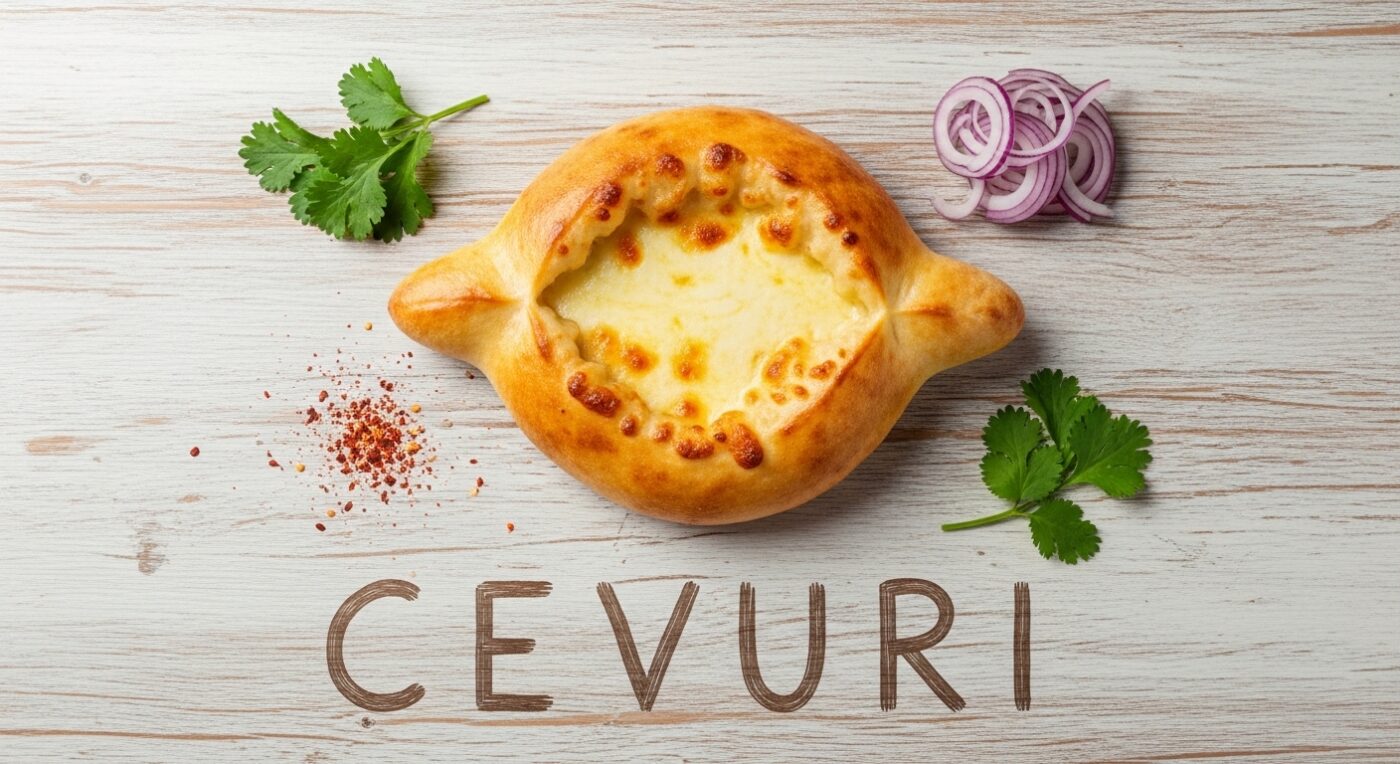

If you love grilled food packed with bold flavor, cevuri might just become your new favorite dish. This traditional Balkan specialty is famous for its juicy texture, smoky aroma, and simple yet powerful seasoning. Whether served at family gatherings, street festivals, or backyard barbecues, cevuri always steals the spotlight.
Made primarily from minced meat shaped into small sausages and grilled to perfection, cevuri represents more than just food—it’s culture, heritage, and shared memories. In this guide, you’ll learn everything about its origins, preparation techniques, and how to master it in your own kitchen.
The Origin and Cultural Heritage of cevuri
Historical Roots in the Balkans
Cevuri traces its origins back to the Ottoman influence in Southeast Europe. Over centuries, local communities adapted the recipe to match regional tastes and ingredients. Today, it remains a staple in countries like Bosnia and Herzegovina, Serbia, Croatia, and Montenegro.
Grilled meat traditions have long been central to Balkan cuisine. Cevuri became popular because it was affordable, easy to prepare, and perfect for feeding large gatherings.
Traditional Celebrations and Gatherings
In many Balkan households, cevuri is the heart of:
-
Weddings
-
Religious holidays
-
Family reunions
-
Weekend barbecues
The aroma of grilling meat brings people together. Sharing a plate of freshly grilled cevuri often symbolizes hospitality and warmth.
Ingredients That Make Authentic cevuri
The beauty of cevuri lies in its simplicity. It doesn’t require complicated ingredients—just quality ones.
Choosing the Right Meat
Traditional cevuri uses a mixture of:
-
Beef
-
Lamb
-
Sometimes pork (depending on region)
The balance of fat is essential. Too lean, and the meat becomes dry. Ideally, choose meat with about 15–20% fat for juicy results.
Freshly ground meat works best. Avoid pre-packaged options when possible.
Essential Spices and Seasonings
Authentic cevuri keeps seasoning simple:
-
Salt
-
Black pepper
-
Garlic
-
Sometimes paprika
The goal is to highlight the natural flavor of the meat, not overpower it.
Step-by-Step Guide to Making cevuri at Home
Making cevuri at home is easier than you think. Let’s break it down.
Preparing the Meat Mixture
-
Combine ground meats in a large bowl.
-
Add salt, pepper, and crushed garlic.
-
Mix gently but thoroughly.
-
Let the mixture rest in the refrigerator for several hours or overnight.
Resting allows flavors to blend and improves texture.
Shaping and Grilling Techniques
-
Shape small finger-sized sausages by hand.
-
Keep them uniform for even cooking.
-
Preheat your grill to medium-high heat.
-
Grill for about 8–10 minutes, turning occasionally.
Avoid pressing the meat while grilling. This keeps the juices locked inside.
For more grilling safety tips, you can check food safety guidelines from reputable sources like the USDA
Regional Variations of cevuri
Though the basics remain similar, each country has its own twist.
Bosnian Style
Bosnian cevuri are often smaller and served inside flatbread called somun. They are typically accompanied by raw onions and a creamy spread called kajmak.
Serbian and Croatian Styles
In Serbia, cevuri may be slightly larger and sometimes spicier. Croatian versions may include subtle seasoning differences, depending on the region.
Despite variations, the heart of the dish stays the same—simple grilled meat done right.
Best Side Dishes to Serve with cevuri
Pairing matters. The right sides elevate the meal.
Traditional Breads and Sauces
Common pairings include:
-
Flatbread or pita
-
Ajvar (red pepper spread)
-
Kajmak (dairy spread)
-
Mustard or yogurt-based sauces
These sides add moisture and balance.
Fresh Salads and Garnishes
Fresh vegetables provide contrast:
-
Chopped onions
-
Tomatoes
-
Cabbage salad
-
Pickled peppers
The freshness cuts through the richness of the grilled meat.
Nutritional Value of cevuri
Cevuri is rich in:
-
Protein
-
Iron
-
Vitamin B12
However, because it contains red meat and fat, moderation is key. Pairing it with vegetables creates a more balanced meal.
For those monitoring fat intake, leaner meat blends can be used, though this may slightly change texture.
Tips for Perfectly Juicy cevuri
Want restaurant-quality results? Follow these tips:
✔ Use cold meat when mixing
✔ Don’t overwork the mixture
✔ Let the meat rest before grilling
✔ Preheat the grill properly
✔ Avoid flipping too often
Small details make a big difference.
Common Mistakes to Avoid
- Even simple recipes can go wrong.
- Using meat that’s too lean
- Skipping resting time
- Cooking on low heat
- Pressing down with a spatula
- Overcooking
Overcooked cevuri becomes dry and tough. Keep an eye on the grill.
Storing and Reheating cevuri
Leftovers? No problem.
-
Store in an airtight container
-
Refrigerate for up to 3 days
-
Freeze for up to 3 months
To reheat:
-
Use a skillet on medium heat
-
Add a splash of water
-
Cover briefly to retain moisture
Avoid microwaving for too long—it can dry them out.
Conclusion
Cevuri is more than just grilled meat—it’s a symbol of Balkan tradition, hospitality, and flavor. With simple ingredients and the right technique, you can bring this iconic dish to your own table.
From its rich cultural roots to its irresistible smoky aroma, cevuri proves that sometimes the simplest recipes are the most powerful. Fire up your grill, gather your friends, and enjoy a meal that brings people together.
Frequently Asked Questions
1. Is cevuri the same as ćevapi?
Yes, cevuri is another spelling or variation of ćevapi, depending on language and region.
2. Can I bake cevuri instead of grilling?
Yes. Bake at 400°F (200°C) for about 20 minutes, turning halfway through.
3. What meat is best for cevuri?
A mix of beef and lamb with moderate fat content works best.
4. Can I make cevuri without garlic?
Yes, though garlic enhances flavor. Adjust to your taste preference.
5. Is cevuri spicy?
Traditionally, it’s mildly seasoned. Some regions add extra spices for heat.
6. Can I prepare cevuri mixture in advance?
Absolutely. Preparing it a day ahead improves flavor.








Leave a Comment