


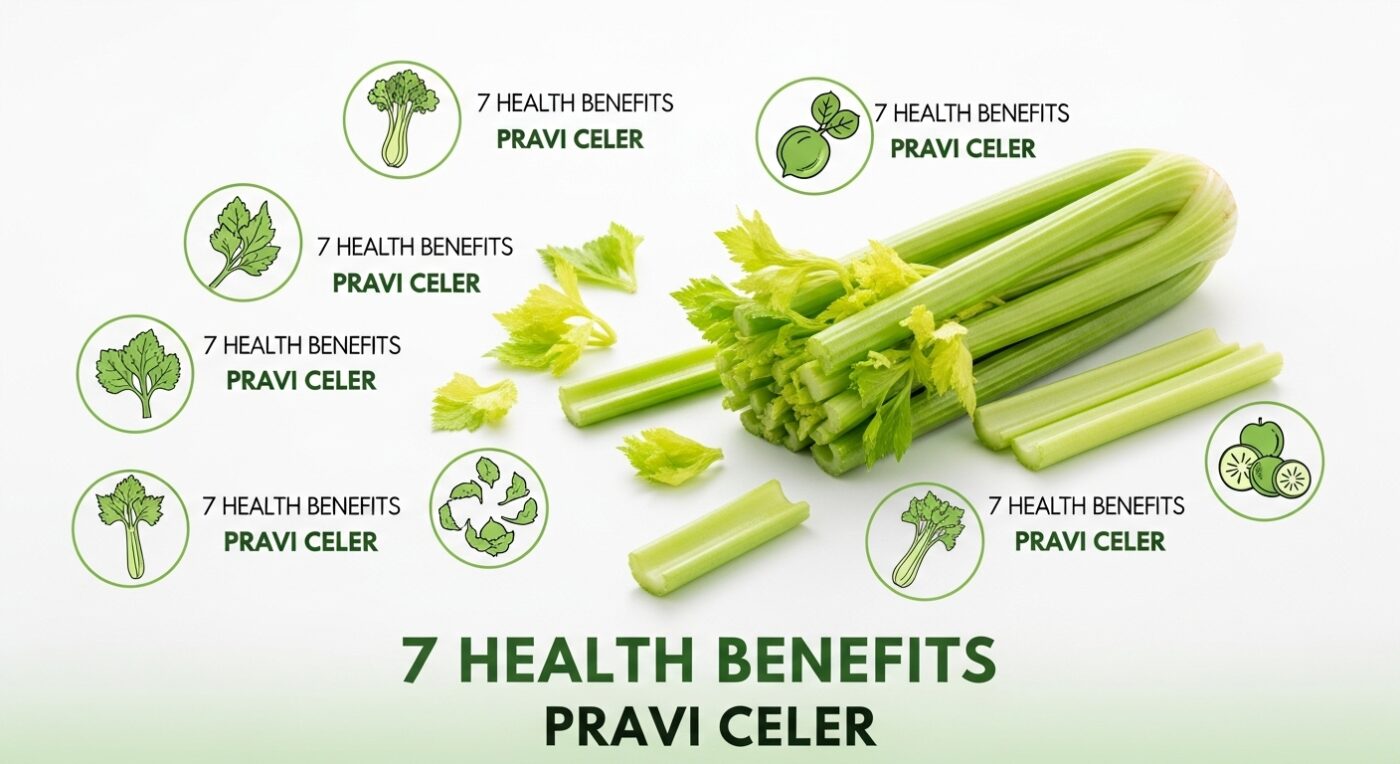

Introduction to pravi celer
If you’re looking for a simple vegetable that delivers powerful health benefits, pravi celer deserves your attention. Known for its crisp texture and refreshing taste, this humble green stalk has been used for centuries in traditional diets and natural remedies.
Celery is low in calories yet rich in nutrients. It supports digestion, boosts hydration, and contributes to heart health. Whether you enjoy it raw, cooked, or juiced, it fits easily into a healthy lifestyle.
In this guide, we’ll explore everything you need to know—from its nutritional value to growing tips and delicious recipes. Let’s dive in!
Nutritional Profile of Celery
Celery may look simple, but it packs a surprising punch when it comes to nutrition.
Essential Vitamins and Minerals
Celery contains:
-
Vitamin K – supports blood clotting and bone health
-
Vitamin C – boosts immunity
-
Potassium – helps regulate blood pressure
-
Folate – essential for cell growth
-
Calcium – supports strong bones
A single cup of chopped celery contains very few calories, making it ideal for weight management.
Antioxidants and Plant Compounds
Celery is rich in antioxidants like flavonoids and polyphenols. These compounds help fight oxidative stress in the body. According to research published on reputable nutrition platforms such as Healthline, antioxidants in celery may help reduce inflammation and support overall health.
Top Health Benefits of pravi celer
Let’s explore the most important reasons why adding this vegetable to your meals is a smart choice.
Supports Heart Health
Celery contains potassium and fiber, both essential for heart health. Potassium helps regulate blood pressure by balancing sodium levels in the body.
In addition, certain plant compounds in celery may help relax blood vessels. This can improve circulation and reduce strain on the heart.
Improves Digestion Naturally
Struggling with bloating or slow digestion? Celery might help.
-
High water content supports hydration
-
Natural fiber improves bowel movement
-
Acts as a gentle digestive aid
Its crunchy texture also stimulates saliva production, which starts digestion in the mouth.
Promotes Hydration
Celery is made up of about 95% water. Eating it regularly helps keep you hydrated, especially during warm weather.
Proper hydration supports:
-
Clear skin
-
Energy levels
-
Brain function
-
Joint lubrication
It’s like nature’s refreshing snack!
Helps Reduce Inflammation
Chronic inflammation can contribute to many health issues. Celery contains antioxidants and phytonutrients that may help lower inflammation levels in the body.
Regular consumption may support joint health and reduce minor aches.
How to Grow Celery in Your Garden
Growing celery at home is easier than you might think.
Soil and Climate Requirements
Celery prefers:
-
Rich, well-drained soil
-
Cool temperatures
-
Partial sunlight
Before planting, mix compost into the soil. This improves nutrients and water retention.
Watering and Maintenance Tips
Celery needs consistent moisture. Dry soil can cause bitter-tasting stalks.
Helpful tips:
-
Water frequently but avoid flooding
-
Add mulch to retain moisture
-
Remove weeds regularly
With patience and proper care, you’ll enjoy fresh stalks straight from your garden.
Culinary Uses and Delicious Recipes
Celery is incredibly versatile in the kitchen.
Fresh Salads and Smoothies
Raw celery adds crunch and freshness to:
-
Green salads
-
Tuna or chicken salad
-
Vegetable platters
Blend it into smoothies with apples, spinach, and lemon for a refreshing drink.
Soups, Stews, and Stir-Fries
Celery forms the base of many classic dishes. In fact, it’s part of the “holy trinity” of cooking along with onions and carrots.
Use it in:
-
Vegetable soups
-
Chicken broth
-
Beef stews
-
Asian stir-fries
It enhances flavor without overpowering other ingredients.
Celery Juice Trend: Is It Worth It?
Celery juice has become extremely popular in recent years. Many claim it helps with detox, digestion, and skin health.
While celery juice does provide hydration and nutrients, whole celery offers fiber that juice lacks. Fiber is essential for gut health.
So, is juicing bad? Not necessarily. But balance is key. Eating the whole vegetable gives you the most benefits.
Storage and Preservation Tips
To keep celery fresh longer:
-
Wrap it in aluminum foil
-
Store in the refrigerator crisper drawer
-
Keep it away from strong-smelling foods
Properly stored celery can last up to two weeks.
You can also:
-
Chop and freeze for soups
-
Dehydrate for seasoning blends
Potential Side Effects and Precautions
Celery is safe for most people. However:
-
Some individuals may have celery allergies
-
Large amounts may increase sun sensitivity
-
It naturally contains sodium (though in small amounts)
If you have specific health conditions, consult a healthcare provider.
Buying Guide: How to Choose Fresh Celery
When shopping for celery:
- Look for bright green stalks
- Choose firm, crisp stems
- Avoid yellow or limp leaves
- Check for cracks or soft spots
Fresh celery should snap easily when bent.
Conclusion
Adding celery to your diet is a simple yet powerful step toward better health. From heart support to hydration and digestion, this vegetable offers impressive benefits with very few calories.
Whether you grow it in your garden, blend it into smoothies, or add it to soups, it’s easy to include in everyday meals. Small changes lead to big results—and this crunchy green stalk proves it.
FAQs
1. Is celery good for weight loss?
Yes. Celery is low in calories and high in water, making it a great snack for weight management.
2. Can I eat celery every day?
Absolutely. Eating moderate amounts daily is safe and healthy for most people.
3. What is the difference between celery stalks and celery root?
Celery stalks are the crunchy green stems, while celery root (celeriac) is a round root vegetable with a stronger flavor.
4. Does celery detox the body?
Celery supports natural detox processes through hydration and antioxidants, but your liver and kidneys handle detoxification.
5. How long does celery last in the fridge?
If stored properly, it can last 1–2 weeks.
6. Can dogs eat celery?
Yes, in small amounts. It can be a healthy, low-calorie treat for dogs.








Leave a Comment