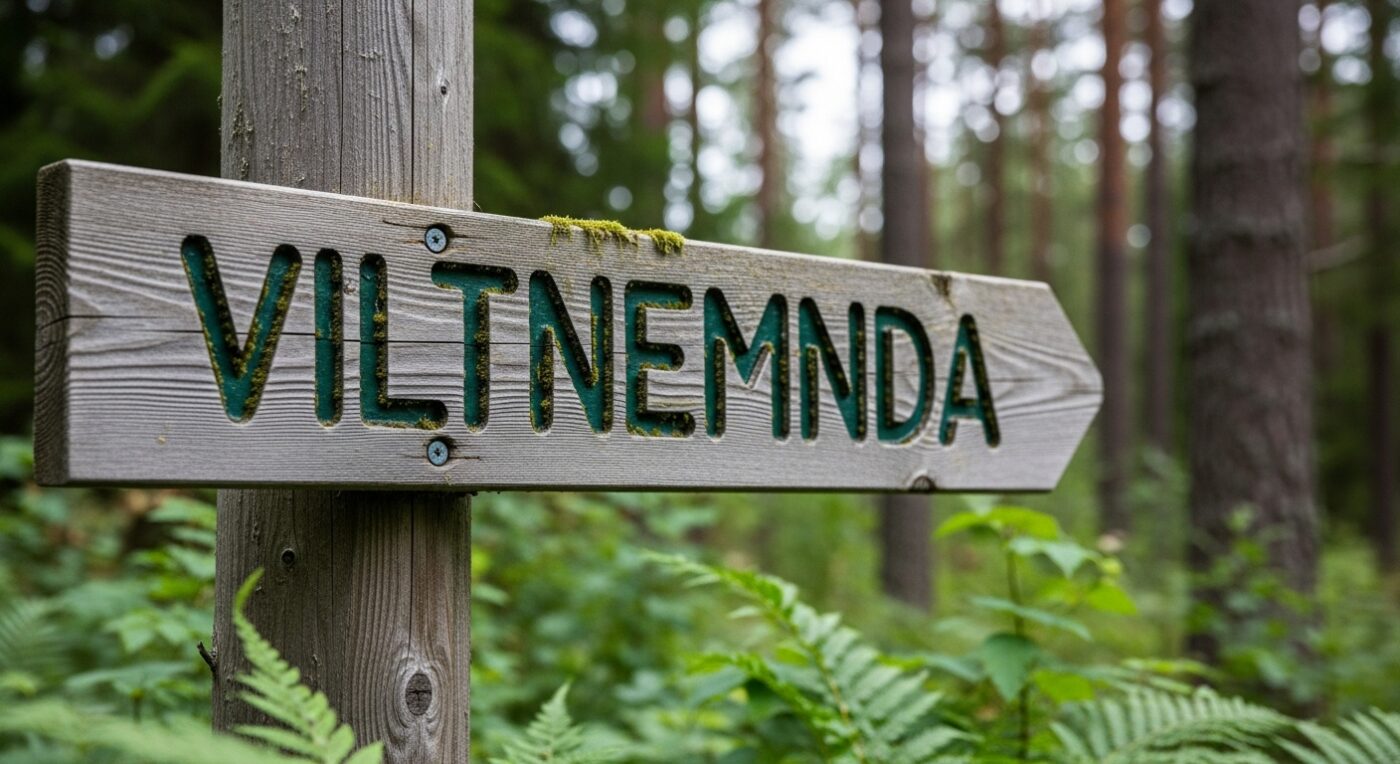

Wildlife management is a complex field that requires careful planning, local knowledge, and collaboration. In Norway, viltnemnda plays a central role in overseeing sustainable hunting, wildlife protection, and conflict resolution.
If you are a hunter, farmer, or environmental enthusiast, understanding viltnemnda’s function is crucial. This article explores everything you need to know—from its structure to responsibilities, decision-making processes, and impact on both wildlife and local communities.
What is viltnemnda?
Definition and Purpose
Viltnemnda is a local wildlife committee responsible for regulating hunting and managing wildlife populations in a municipality. It ensures sustainable practices and aims to balance ecological needs with human interests such as agriculture and recreation.
Its work covers both game animals like deer and moose and other wildlife that may interact with human activities.
Historical Background
The concept of viltnemnda emerged to formalize local management of wildlife in Norway. By creating local committees, authorities could integrate local knowledge into conservation policies while maintaining national standards.
Structure and Organization
Composition of viltnemnda
A typical viltnemnda consists of representatives from:
-
Local farmers and landowners
-
Hunting associations
-
Environmental and wildlife organizations
-
Municipal authorities
This multi-stakeholder approach ensures balanced decision-making.
Appointment Process and Tenure
Members are often appointed by the municipality for a fixed term. They are chosen for their knowledge of wildlife, land management, or local community engagement.
This mix of expertise ensures that decisions are grounded in both ecological and practical realities.
Key Responsibilities of viltnemnda
Wildlife Management Plans
Viltnemnda develops and implements management plans for local wildlife populations. This includes monitoring species numbers, migration patterns, and habitat conditions.
Hunting Quotas and Regulations
One of the most visible functions is regulating hunting. Viltnemnda sets quotas, seasons, and hunting rules based on sustainable population targets.
Conflict Resolution Between Stakeholders
Conflicts can arise between hunters, farmers, and conservationists. Viltnemnda mediates these disputes and ensures decisions consider all perspectives.
How viltnemnda Influences Local Communities
Role in Rural Areas
In rural municipalities, viltnemnda is vital for maintaining healthy wildlife populations while minimizing crop damage. Its decisions directly affect the livelihood of farmers and the experience of hunters.
Collaboration With Farmers and Hunters
Through regular meetings and consultations, viltnemnda gathers input from stakeholders to make informed decisions. This collaborative approach increases compliance and effectiveness.
Environmental and Conservation Impact
Protecting Endangered Species
Viltnemnda monitors rare and endangered species, ensuring protective measures are in place when needed.
Sustainable Hunting Practices
By setting quotas and regulating hunting seasons, viltnemnda helps maintain population balance and supports biodiversity.
Decision-Making Process
Meetings and Deliberations
Viltnemnda meets regularly to review data, discuss stakeholder concerns, and set policies for the upcoming season.
Consultation and Public Input
Public consultations allow community members to voice concerns or provide information about local wildlife trends.
Challenges and Controversies
Conflicts of Interest
Some viltnemnda members may face conflicts between personal hunting interests and conservation goals. Transparency and regulations aim to minimize bias.
Balancing Conservation and Hunting Interests
Striking a balance between sustainable hunting and protecting vulnerable species can be controversial, especially when quotas are reduced or hunting restrictions are imposed.
How to Contact or Engage With viltnemnda
Individuals interested in participating or providing input can usually contact their local municipality or visit municipal websites for contact details and meeting schedules.
Tips for Hunters and Landowners
-
Familiarize yourself with local hunting regulations.
-
Participate in public meetings to provide input.
-
Respect quotas and wildlife protection measures.
-
Collaborate with neighbors and hunters for shared conservation goals.
Conclusion
Viltnemnda plays a crucial role in balancing wildlife conservation with human activity. By regulating hunting, protecting species, and engaging local communities, it ensures sustainable management of Norway’s diverse wildlife.
For hunters, farmers, and environmentalists alike, understanding viltnemnda’s function is essential to participating responsibly in wildlife management and enjoying Norway’s natural resources safely and sustainably.
FAQs
1. What is the role of viltnemnda?
Viltnemnda oversees local wildlife management, hunting regulations, and conflict resolution.
2. Who can become a member of viltnemnda?
Members are typically appointed by the municipality and include farmers, hunters, environmental experts, and local officials.
3. How does viltnemnda set hunting quotas?
Quotas are based on wildlife population surveys, ecological studies, and stakeholder input.
4. Can the public attend viltnemnda meetings?
Yes, many municipalities allow public participation or provide opportunities for feedback.
5. How often does viltnemnda meet?
Meetings are usually scheduled seasonally or as needed for decision-making.
6. What happens if viltnemnda sets low hunting quotas?
Low quotas aim to protect wildlife populations and ensure long-term sustainability, though it may limit hunting activity temporarily.




Leave a Comment